what is Sustainable Seafood
What is Sustainable Seafood?
When it comes to seafood, we tend to forget that fish, shrimp, squid and various other seafood are also wildlife that need to repopulate and can only thrive in an environment of optimum condition.
Sustainable seafood is:
Harvested or caught within the capability for the wildlife to recover in terms of stock.
Harvested using methods that are not damaging to the environment.
Produced within the most responsible management and emphasises on the social well-being of fishermen, coastal communities, and aquaculture workers.
Thus, sustainable seafood addresses overfishing pressures on both the environment and society while ensuring:
- Long-term vitality of harvested species.
- The well-being of oceans and aquatic habitats.
- The livelihoods of fish-dependent communities and workers.
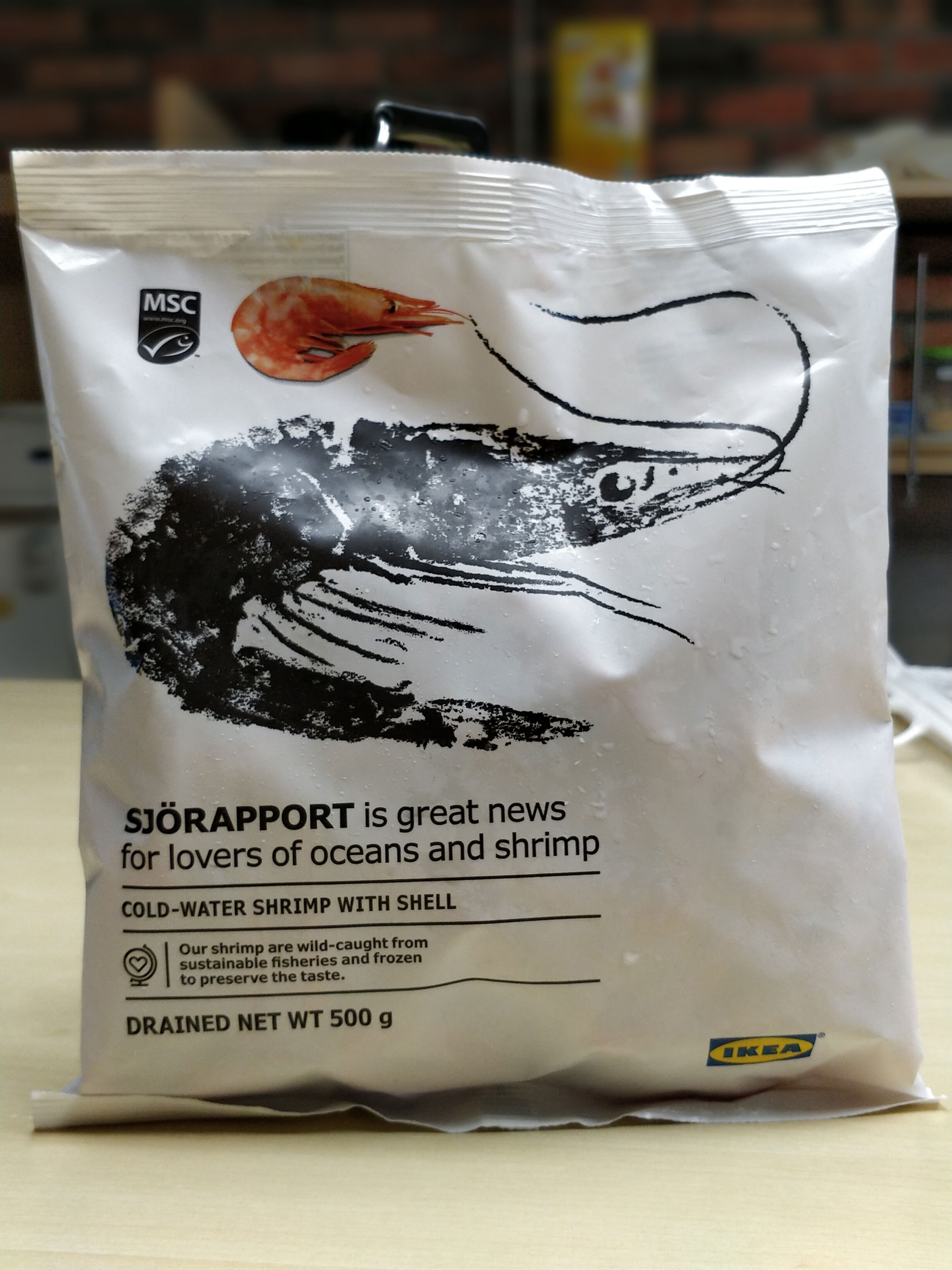
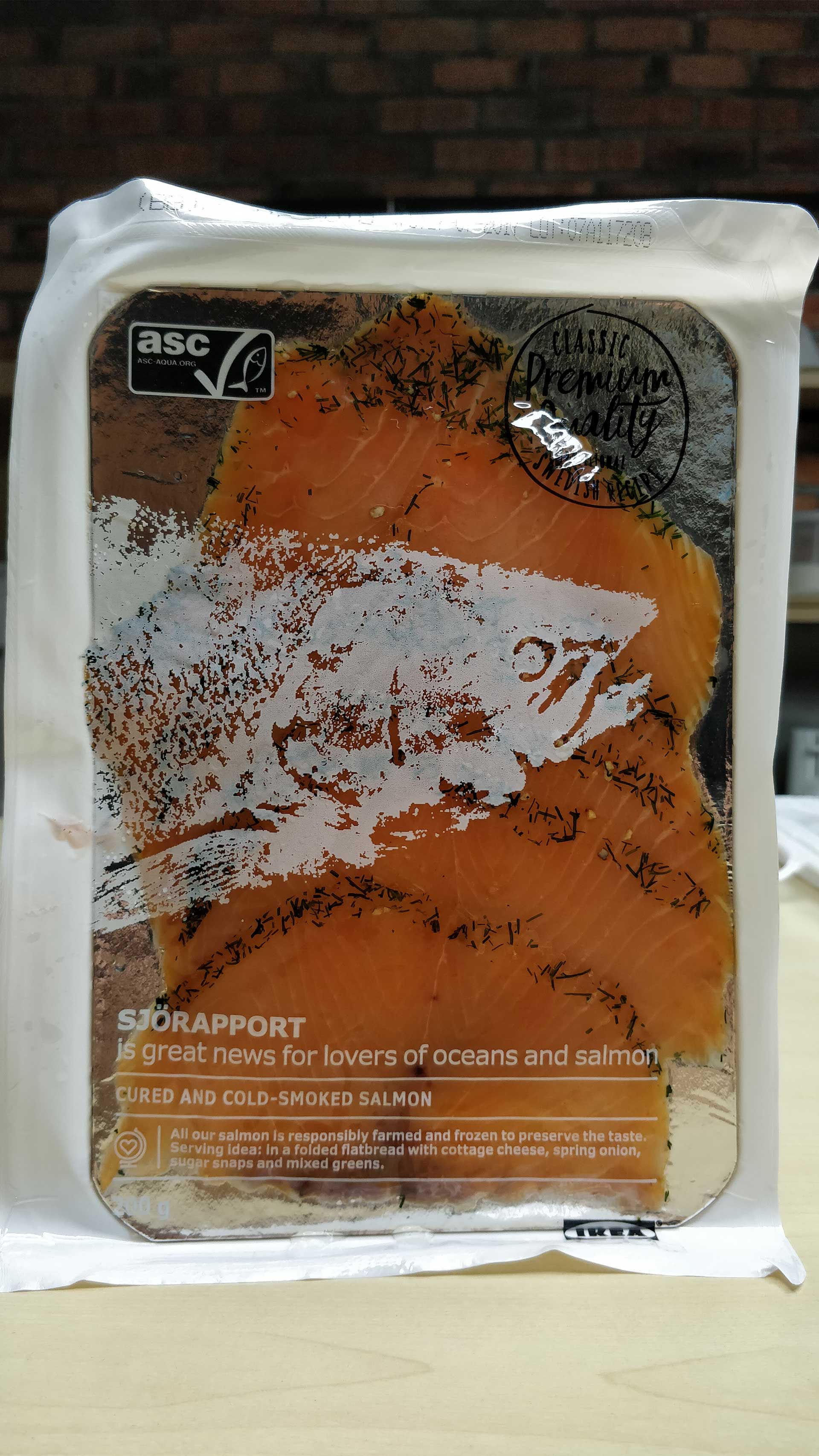
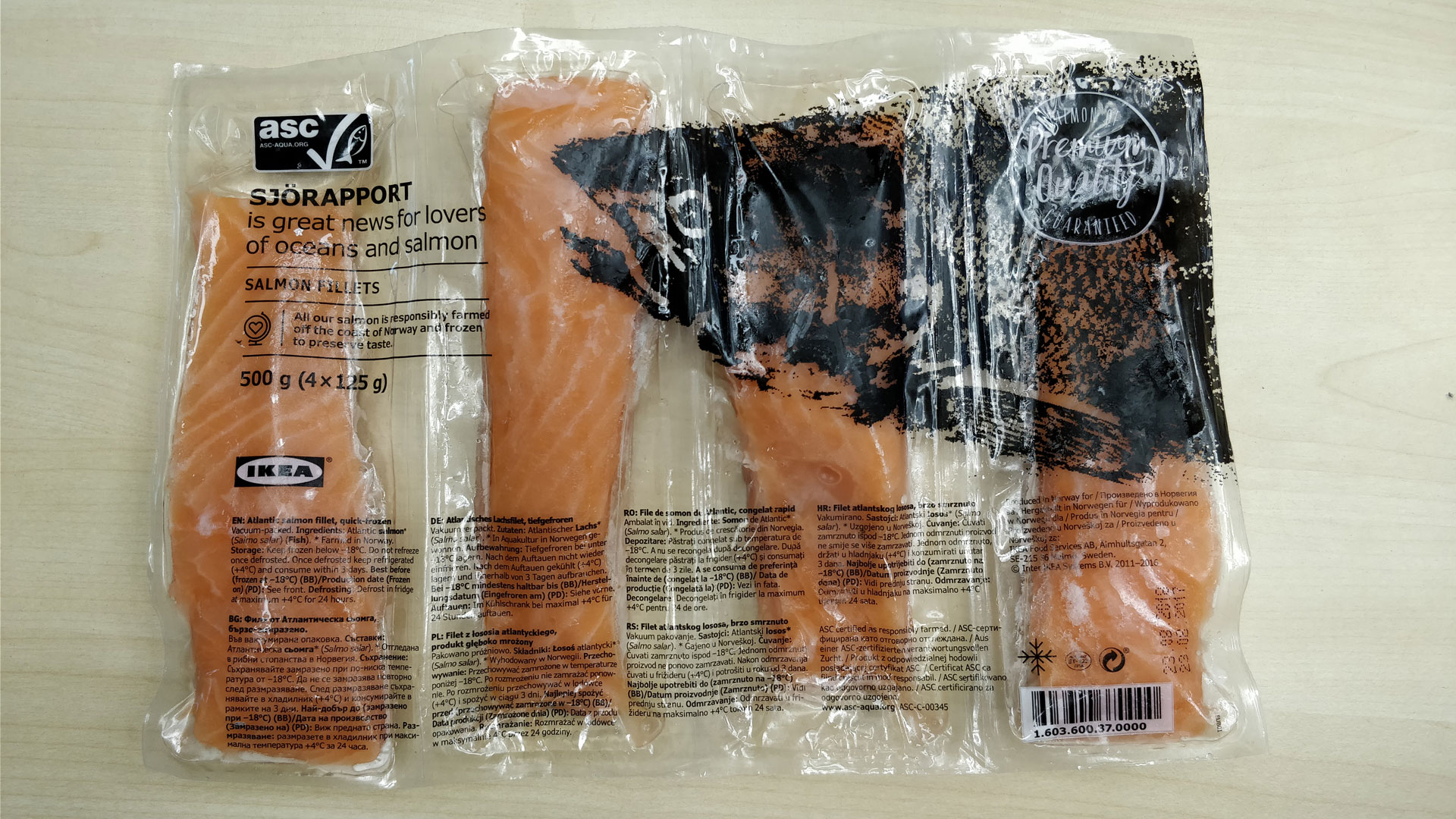
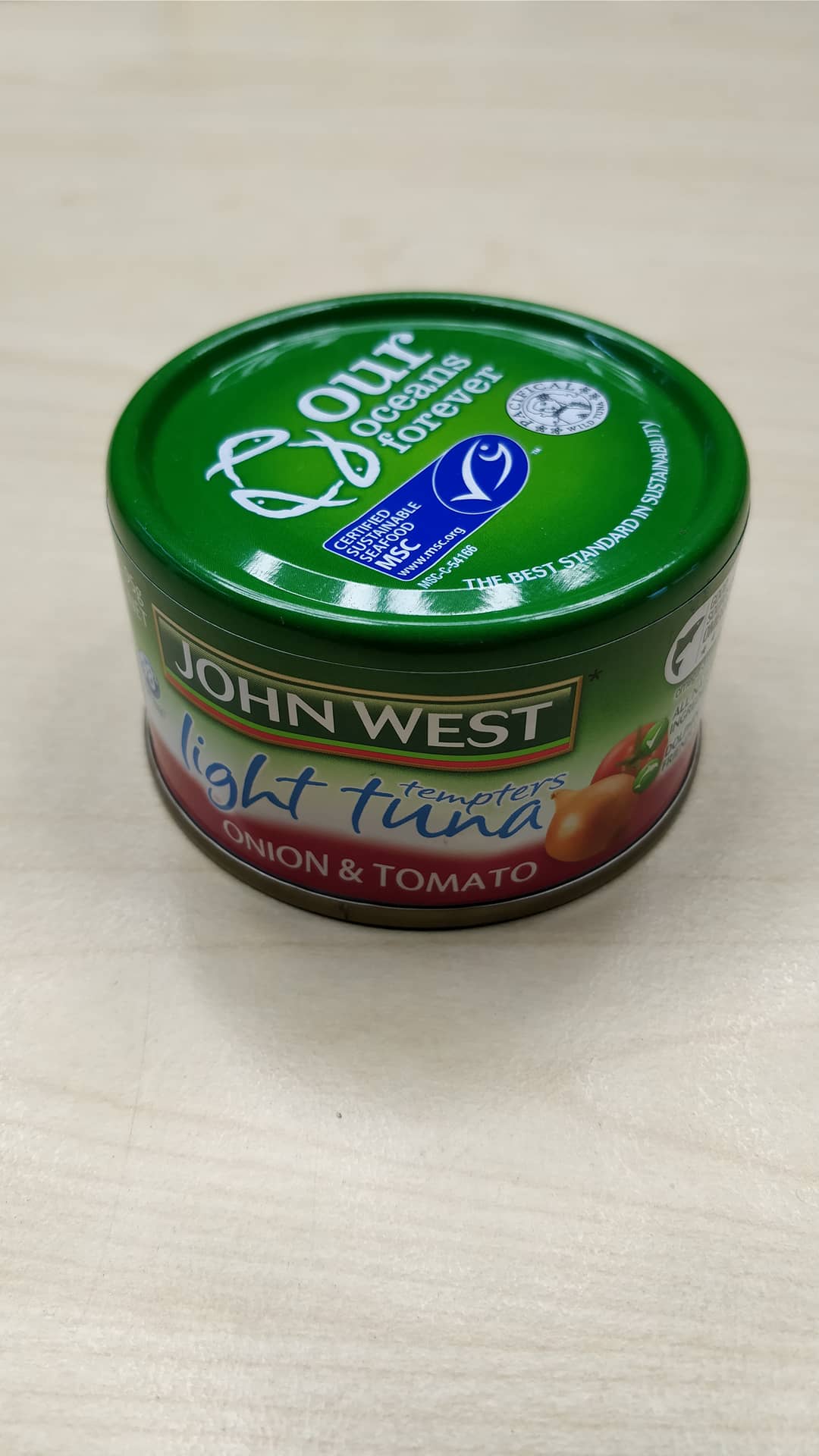
WWF-Malaysia recognises responsible and sustainable seafood as the following
Click here to learn more about the importance of certified sustainable seafood (specially MSC and ASC)
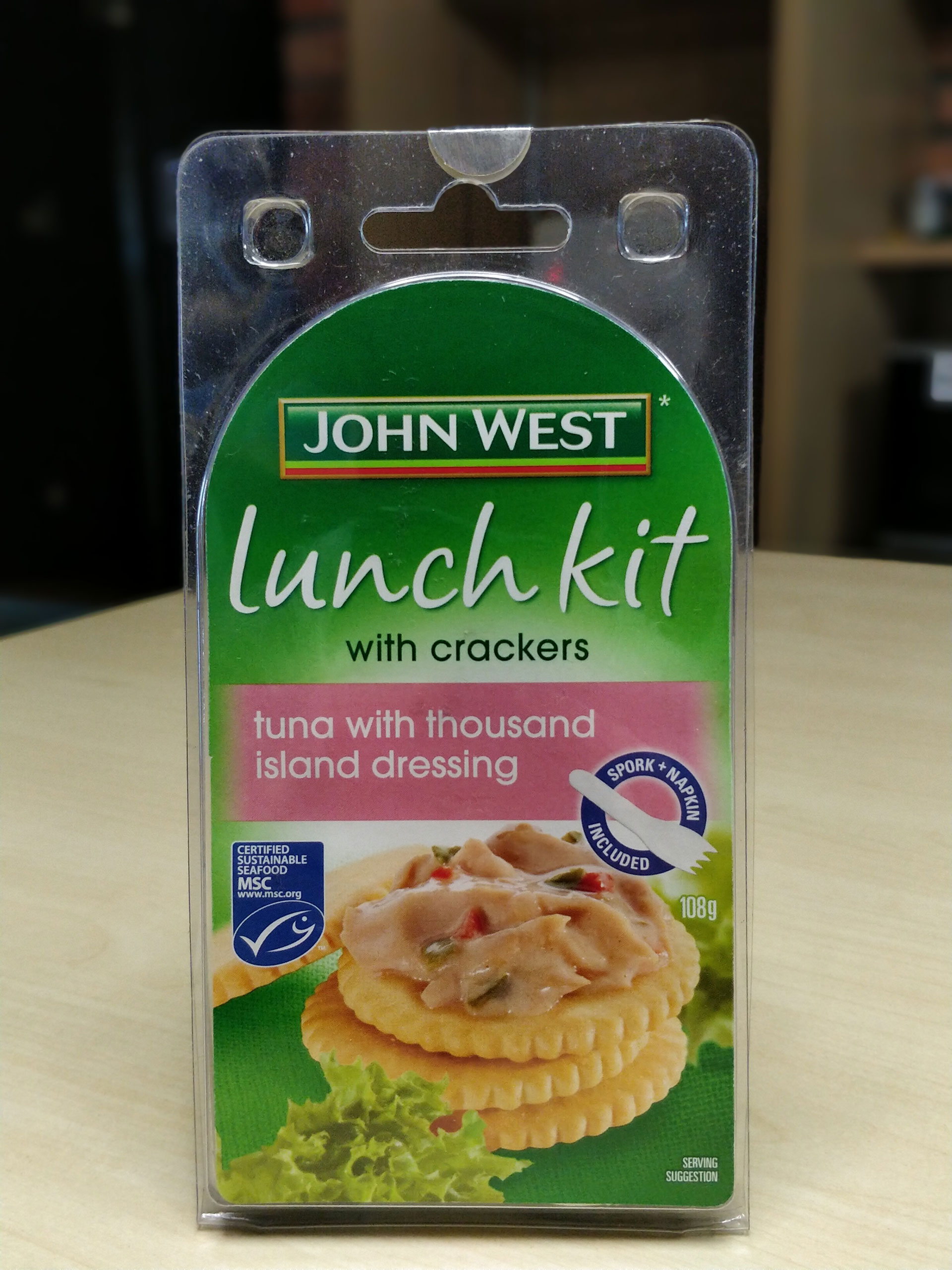
CERTIFICATION FOR SUSTAINABLE SEAFOOD YOU CAN TRUST
How do we verify the sustainability of our seafood? Are we able to track the sustainability of a certain type of seafood?
Sustainable seafood has to be measured according to a standard and is credited through certification. Seafood certification is important to ensure that best management practices are properly carried out for fishery and aquaculture sectors, through science-based requirements for seafood sustainability. This ensures the validity of the labelled sustainable seafood.
WWF-Malaysia considers the Marine Stewardship Council (MSC) and the Aquaculture Stewardship Council (ASC) as the best certification bodies for sustainable seafood, because they:
- Hold the highest standard in seafood traceability.
- Minimise the environmental and social impacts of seafood retrieved from wild catch and aquaculture.
- Guarantee consumers that throughout the supply chain – from the ocean or farm to their plate – MSC and ASC certified seafood are separated from non-certified ones and can be traced to their respective certified fishery or farm through the eco-labels.